
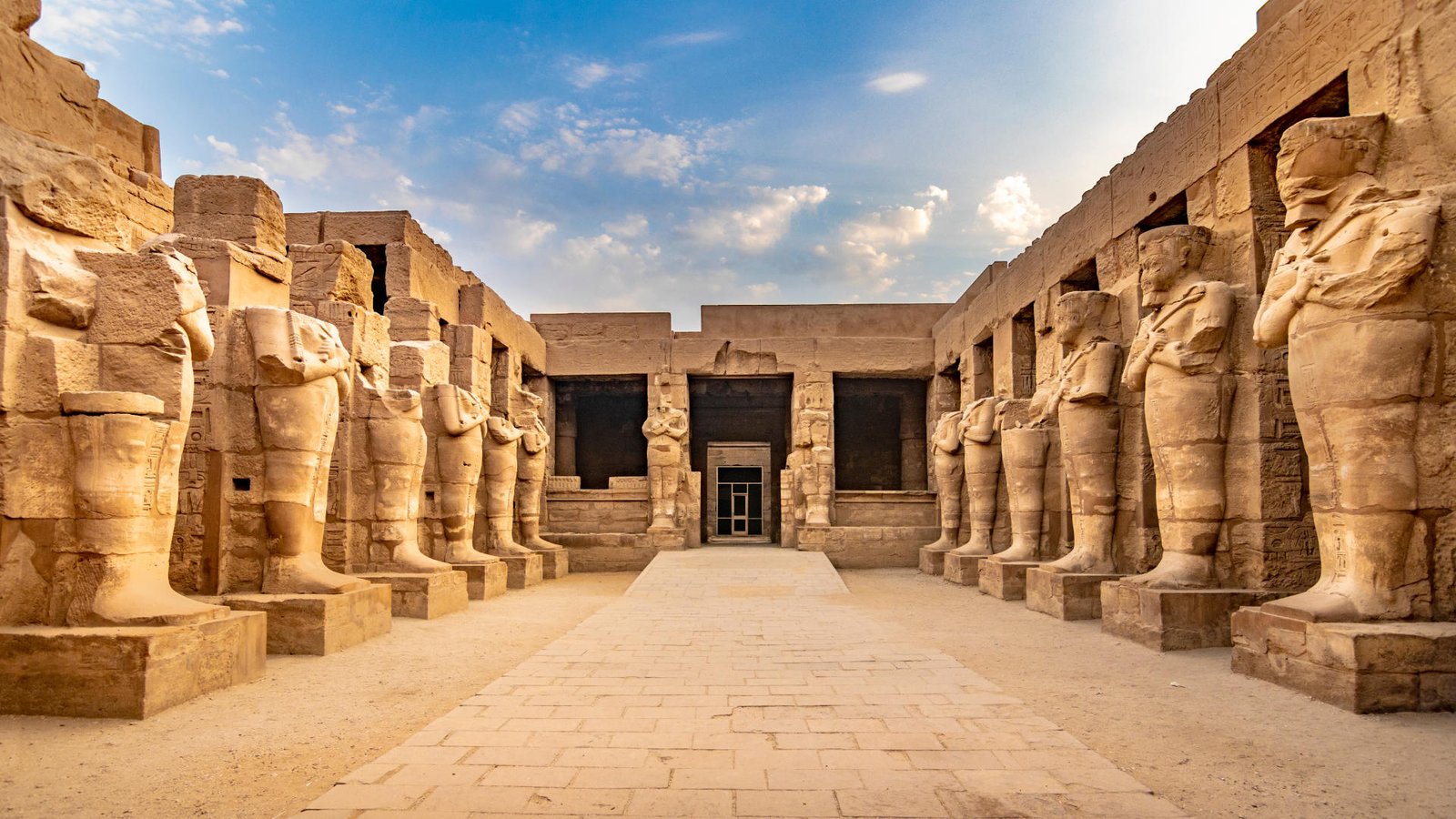
Karnak Temple: 7 Stunning Highlights of Egypt’s Timeless Architectural Wonder
Egypt is home to one of the most iconic archaeological sites in the world. Karnak Temple in Luxor showcases centuries of religious, cultural, and architectural achievements. From towering columns to sacred lakes, visitors can explore remarkable landmarks that continue to attract historians, photographers, and tourists alike. This temple complex is not just a collection of stone monuments—it represents the spiritual heart of Thebes, the power of pharaohs, and the devotion of countless generations.
1. The First Pylon – Grand Gateway
The massive first pylon serves as the grand entrance to the complex. Built to impress both mortals and gods, it marks the start of a spiritual journey through the site. Walking through its towering walls, visitors experience the majesty of ancient Egyptian architecture. The pylon itself is decorated with carvings that depict battles, offerings, and royal ceremonies, giving travelers a glimpse into the ambitions and beliefs of the pharaohs who commissioned it. Its sheer scale is awe-inspiring and sets the tone for the rest of the visit.
2. The Second Pylon – Historical Expansion
The second pylon highlights the temple’s evolution over centuries. Each pharaoh added new structures, ensuring that the complex grew to accommodate religious ceremonies, processions, and offerings. This layered history makes the temple a living timeline of ancient Egypt. The walls of the second pylon display detailed inscriptions narrating victories and divine blessings, showing how religion and politics were intertwined in pharaonic society. Observing these inscriptions, visitors can feel the continuity of history and devotion preserved across millennia.
3. The Great Hypostyle Hall
Inside the Great Hypostyle Hall, 134 colossal columns rise like a forest of stone. Intricate hieroglyphs and carvings decorate each column, telling stories of kings, gods, and epic battles. This hall is one of the most photographed and awe-inspiring parts of the temple. Walking through its shadowy corridors, you feel as though you are inside a living museum, where each column whispers secrets of ancient rituals, divine worship, and the artistry of Egyptian craftsmen. The hall also demonstrates advanced engineering skills, as these massive columns have stood for over 3,000 years.
4. Sanctuaries and Chapels
The inner sanctuaries are dedicated to major deities such as Amun-Ra, Mut, and Khonsu. These sacred chambers offer insights into rituals performed by priests and pharaohs. Their carvings and inscriptions reveal the spiritual life that thrived here for centuries. Many of the chapels were built by different rulers, each leaving their mark with unique designs, statues, and altars. Exploring these areas gives visitors a sense of the religious complexity and devotion that characterized Theban society during the New Kingdom.
5. The Sacred Lake
Beyond the stone grandeur, the sacred lake provides a serene atmosphere. Pharaohs performed purification rituals here, and priests conducted ceremonies to connect with the divine. The tranquil water reflects surrounding columns and statues, creating perfect photo opportunities. The lake was also essential for ritual activities, symbolizing life, renewal, and the connection between the gods and the people. Its calm surface contrasts beautifully with the towering monuments, offering a moment of peace amid the historical magnificence.
6. Obelisks and Monumental Statues
Karnak is home to many obelisks and monumental statues. The obelisk of Queen Hatshepsut is particularly impressive, standing tall among the temple’s architectural wonders. Each statue tells a story of devotion, power, and artistic mastery. Some statues honor pharaohs, while others depict gods and goddesses, illustrating the close link between rulers and the divine. Walking among these towering figures allows visitors to appreciate the scale, precision, and symbolism that define Egyptian monumental art.
7. Best Time to Visit and Sunset Views
While the temple is magical at any hour, late afternoon or sunset offers the best lighting. The warm glow casts dramatic shadows across columns and statues. Early mornings are ideal for peaceful exploration with fewer crowds. Visiting during different times of day also provides varying photographic opportunities, from the golden hour glow to the soft morning light. Many visitors recommend planning their trip around sunset to experience the temple’s enchanting ambiance in full.
Quick Visitor Tips
- Arrive early or late afternoon for better lighting and fewer crowds.
- Wear comfortable shoes; the complex requires walking.
- Bring water and sun protection.
- Hire a guide for historical insights and hidden stories.
- Use a wide-angle lens to capture the grandeur of the temple.
Conclusion: Why Karnak Temple Is Unforgettable
Exploring Karnak Temple is like stepping into a living history book. Its halls, columns, and sanctuaries narrate stories of devotion, power, and architectural brilliance. Every corner of the complex reflects centuries of cultural heritage, spiritual practices, and artistic achievement. Whether you’re visiting for history, photography, or pure curiosity, Karnak Temple offers an experience that will remain with you forever. The sense of awe inspired by this monumental site is unmatched anywhere else in the world.
How to Visit Karnak Temple
At Heart Egypt Tours, we bring history to life. Our curated tours of Luxor provide seamless transportation, expert guides, and personalized experiences. Walk through centuries of ancient Egyptian history, explore iconic architectural wonders, and immerse yourself in the spiritual legacy of Karnak Temple.
Book your Luxor tour today and make Karnak Temple the highlight of your Egyptian adventure!

Recent Posts
Khan El Khalili: The Heart of Historic Cairo

Saladin Citadel: The Iconic Fortress of Cairo

Dahshur: Explore the Bent and Red Pyramids of Ancient Egypt
Important Tour Information
All Categories
- alexandria
- Aswan
- Cairo
- Cultural Egypt: Discovering the History Behind the Pyramids
- Dive into the Magic of Sharm’s Underwater World
- giza
- Islamic
- Luxor
- Sailing the Nile
- Siwa Oasis
- Siwa’s Simplicity
- Sphinx
- the Desert to the Sea
- The White Desert A Dream Sculpted by Time
- The Wonders of Saqqara
- Top 10 Unforgettable Egypt Tours
- Travel Tips
- Uncategorized
- VIP Tours
- Western Desert Oases