
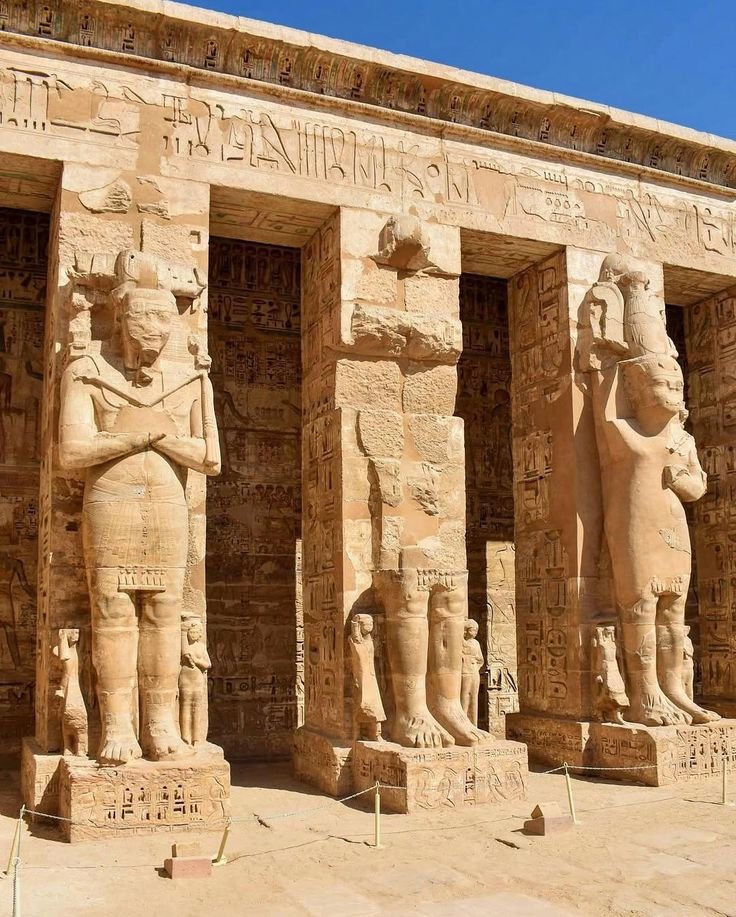
Habu Temple in Luxor – Explore the Iconic, Best-Preserved Ancient Wonder
Overview
- Habu Temple is one of the most impressive and best-preserved temples on the West Bank of Luxor.
- Built for Ramesses III, this Ramesses III Temple stands as a monumental example of ancient Egyptian architecture.
- The temple is one of the Egypt Ancient Wonders, showcasing deep carvings, vibrant colors, and detailed reliefs that have survived thousands of years.
- Visiting this Iconic Egyptian Temple offers a rich and authentic historical experience.
What Is Habu Temple?
- A mortuary temple dedicated to Ramesses III of the 20th Dynasty, built to honor his reign and divine legacy.
- Served as both a religious center for worshiping Egyptian gods, particularly Amun, and an administrative hub where officials managed temple lands and resources.
- Part of a large sacred complex on the West Bank of Luxor, which included fortified walls, ceremonial gates, and open courtyards.
- Included storerooms, chapels, ceremonial halls, and quarters for priests, where rituals, offerings, and festivals were performed to sustain the king’s spiritual presence.
- The temple walls are adorned with detailed carvings and hieroglyphs, depicting the king’s victories in battle, religious ceremonies, and daily life in ancient Egypt.
- The temple is considered one of the Iconic Egyptian Temples in Egypt, offering visitors a chance to experience ancient Egyptian art, history, and architecture in a well-preserved, awe-inspiring setting.
- Visiting Habu Temple allows travelers to step back in time, exploring a place that has remained remarkably intact for over 3,000 years and witnessing firsthand the grandeur of Ramesses III’s reign.
Key Features of Habu Temple
1. Deep and Clearly Preserved Carvings
- Known for deep relief carvings, cut into the stone for maximum preservation.
- Many walls still retain original colors, making it one of the best-preserved temples in Egypt.
- Scenes depict:
- Religious rituals
- Offerings
- Festivals
- Daily life
- Royal ceremonies
- Battles led by Ramesses III
2. Military Records & The Sea Peoples Battle
- The walls of Habu Temple document one of the greatest military victories of Ramesses III, including the Sea Peoples Battle.
- Detailed carvings show:
- Soldiers and weaponry
- Naval formations
- Prisoners and victories
- These inscriptions help this Ramesses III Temple rank among the most historically significant sites in Egypt.
3. Massive Architectural Design
- The temple features:
- A monumental entrance gate
- Two spacious courtyards
- Hypostyle halls with towering columns
- Long corridors decorated with carvings
- Chapels, storage rooms, and priest quarters
- Sacred sanctuaries dedicated to deities
- The scale and precision of this Iconic Egyptian Temple make it a standout among Egypt Ancient Wonders.
4. Fortified Walls
- Surrounding the temple is a large fortified wall, giving the site a fortress-like appearance.
- Highlights the temple’s dual role as a religious and administrative center.
- The fortifications helped protect the temple’s treasures and sacred areas, preserving its status as one of the best-preserved temples in Luxor.
5. Religious and Administrative Functions
- Functions included:
- Mortuary rituals for Ramesses III
- Worship of Egyptian gods
- Storage of ritual items and offerings
- Administrative management for surrounding lands
- This Ramesses III Temple was a hub of both religion and governance in ancient Egypt.
Why Visit Habu Temple?
- One of the clearest and best-preserved temples in Luxor.
- Offers an authentic look into ancient Egyptian life and rituals.
- Each wall tells a story of Ramesses III, from daily life to military victories.
- A massive and richly detailed site, part of Egypt Ancient Wonders.
- Visiting this Iconic Egyptian Temple is a must for history enthusiasts and tourists alike.
Conclusion
- Habu Temple is not just a temple; it is a living historical record of Ramesses III’s reign.
- Its preservation, rich carvings, and peaceful atmosphere make it one of the Iconic Egyptian Temples and part of the Egypt Ancient Wonders.
- Anyone visiting Luxor should prioritize Habu Temple, a must-see destination for exploring ancient Egyptian architecture and history.
Ready to experience the wonders of ancient Egypt?
Step into the magnificent Habu Temple in Luxor, explore the incredible Luxor Ancient Temple of Ramesses III, admire stunning Ancient Egyptian Architecture, and witness one of Egypt’s most remarkable Historical Wonders during your unforgettable journey! [Book Now]

Recent Posts

November 22, 2025Nouby0 Comments
Khan El Khalili: The Heart of Historic Cairo

November 22, 2025Nouby0 Comments
Saladin Citadel: The Iconic Fortress of Cairo

November 22, 2025Nouby0 Comments
Dahshur: Explore the Bent and Red Pyramids of Ancient Egypt
Important Tour Information
All Categories
- alexandria
- Aswan
- Cairo
- Cultural Egypt: Discovering the History Behind the Pyramids
- Dive into the Magic of Sharm’s Underwater World
- giza
- Islamic
- Luxor
- Sailing the Nile
- Siwa Oasis
- Siwa’s Simplicity
- Sphinx
- the Desert to the Sea
- The White Desert A Dream Sculpted by Time
- The Wonders of Saqqara
- Top 10 Unforgettable Egypt Tours
- Travel Tips
- Uncategorized
- VIP Tours
- Western Desert Oases