
Cultural Egypt: Discovering the History Behind the Pyramids
Egypt is a land where history comes alive. From magnificent temples and ancient tombs to vibrant traditions that have survived for centuries, the country offers visitors an unforgettable journey into the past. Among its most famous treasures are the Egypt Pyramids, remarkable monuments that have become symbols of human achievement and one of the greatest attractions in the world. However, the story behind these structures is much larger than the stones that form them. To truly understand their significance, it is important to explore the civilization that created them and the fascinating world of Ancient Egypt.
The Rise of Ancient Egypt
The history of Ancient Egypt began thousands of years ago along the fertile banks of the Nile River. The river provided water, transportation, and fertile land that allowed communities to flourish. Over time, these settlements developed into one of the most powerful and advanced civilizations in human history.
The people of Ancient Egypt made extraordinary achievements in architecture, engineering, medicine, mathematics, and writing. They created a sophisticated society governed by powerful pharaohs and supported by skilled workers, priests, merchants, and farmers. Their innovations influenced civilizations across the ancient world and continue to inspire people today.
Religion played a central role in Egyptian life. The ancient Egyptians believed in numerous gods and goddesses who controlled nature and human destiny. These beliefs shaped their daily lives, artistic creations, and architectural projects, including the construction of the famous Pyramids of Egypt.
The Origins of the Pyramids of Egypt
The Pyramids of Egypt were built as royal tombs for pharaohs who were considered both rulers and divine figures. Egyptians believed that life continued after death and that the pharaoh needed a secure resting place to ensure a successful journey into the afterlife.
The earliest major pyramid was the Step Pyramid of Djoser at Saqqara. Designed by the architect Imhotep, this groundbreaking structure marked a turning point in architectural history. It was the first large-scale stone monument ever constructed and became the foundation for future pyramid building.
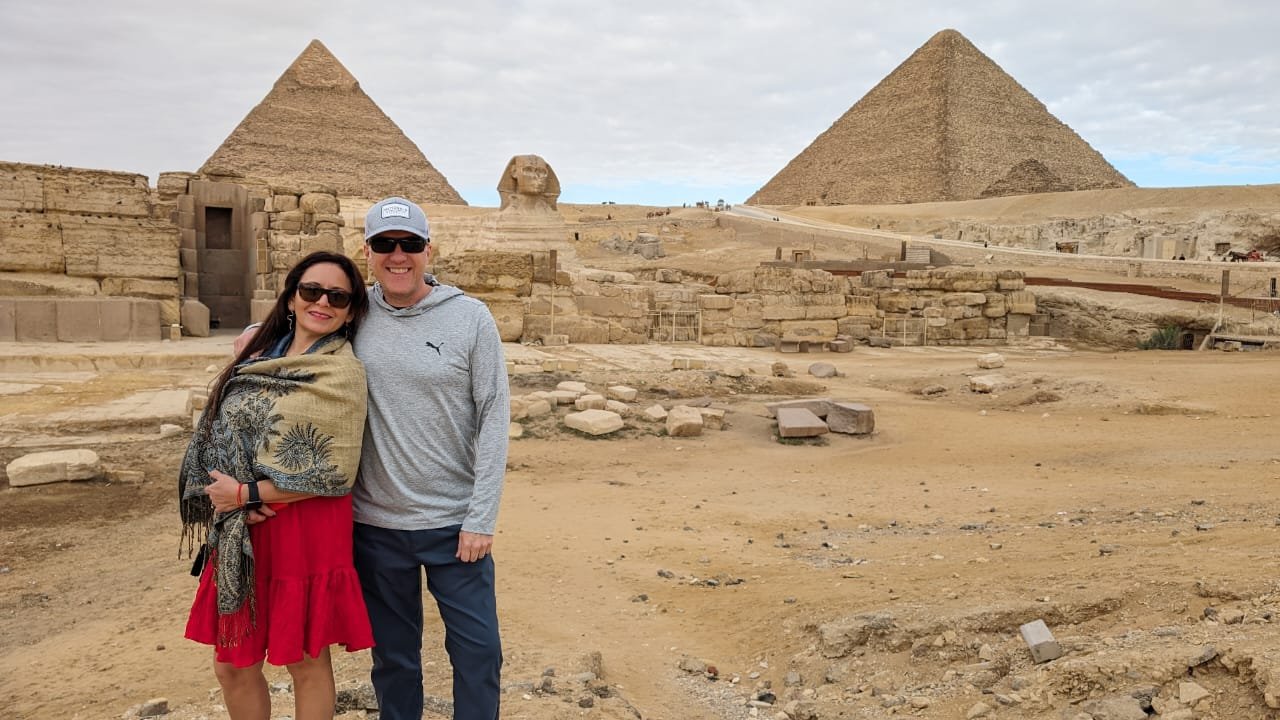
As construction techniques improved, Egyptian builders developed the smooth-sided pyramids that are now recognized around the world. The most famous examples are the Egypt Pyramids located at Giza, including the Great Pyramid of Khufu, the Pyramid of Khafre, and the Pyramid of Menkaure.
The Great Pyramids of Giza
When people think about the Egypt Pyramids, they usually imagine the incredible structures standing on the Giza Plateau. These monuments have survived for more than four thousand years and remain among the most impressive architectural achievements ever created.
The Great Pyramid of Khufu is the largest of the Pyramids of Egypt and was once the tallest man-made structure in the world. Built with millions of limestone blocks, it demonstrates the remarkable engineering skills of Ancient Egyptian builders.
Nearby stands the Pyramid of Khafre, which appears taller because it was built on higher ground. It is also closely associated with the Great Sphinx, one of the most iconic symbols of Ancient Egypt. The smaller Pyramid of Menkaure completes the trio, creating one of the world’s most famous archaeological landscapes.
Ancient Egypt and Beliefs About the Afterlife
To understand why the Pyramids of Egypt were built, it is necessary to understand the religious beliefs of Ancient Egypt. Egyptians believed that death was not the end of existence. Instead, it marked the beginning of a new life in the afterworld.
Because of this belief, the body had to be carefully preserved through mummification. Tombs were filled with food, furniture, jewelry, clothing, and other valuable items that the deceased might need in the next life. The Egypt Pyramids served as both tombs and symbols of royal power, designed to protect the pharaoh and help him reach eternity.
The pyramid shape may also have held spiritual meaning. Historians believe it symbolized the rays of the sun, helping the pharaoh ascend to the heavens and join the gods.
Engineering Marvels of Ancient Egypt
One of the most fascinating aspects of the Egypt Pyramids is the question of how they were built. Despite being constructed thousands of years ago, these monuments display an astonishing level of precision and planning.
Archaeological discoveries show that the pyramids were built by skilled workers rather than enslaved people. Entire communities supported the construction projects by providing food, tools, transportation, and labor. The organization required for such massive projects reflects the strength and sophistication of Ancient Egypt.
The builders used advanced knowledge of mathematics and astronomy to align the pyramids with incredible accuracy. These achievements continue to impress engineers and researchers today.
The Cultural Legacy of the Pyramids
The influence of the Pyramids of Egypt extends far beyond their original purpose. They have become global symbols of history, culture, and human creativity. Every year, millions of travelers visit Egypt to witness these extraordinary monuments and learn about the civilization that created them.
The legacy of Ancient Egypt can also be seen in its art, literature, architecture, and scientific achievements. Museums around the world display Egyptian artifacts that reveal the complexity and beauty of this remarkable culture.
For many visitors, exploring the Egypt Pyramids is more than a sightseeing experience. It is an opportunity to connect with a civilization that has shaped human history for thousands of years.
Why the Egypt Pyramids Continue to Inspire
The enduring fascination with the Egypt Pyramids comes from their mystery and grandeur. They stand as a testament to the ambition, intelligence, and determination of the people of Ancient Egypt. Even after centuries of study, researchers continue to uncover new information about their construction and purpose.
The Pyramids of Egypt are not merely ancient monuments. They are symbols of a civilization that pushed the boundaries of human achievement and left a legacy that continues to inspire the world.
Conclusion
The story of the Egypt Pyramids is inseparable from the story of Ancient Egypt itself. These magnificent structures represent the beliefs, knowledge, and cultural achievements of one of history’s greatest civilizations. By exploring the Pyramids of Egypt, visitors gain a deeper understanding of the people who built them and the extraordinary world they created.
Today, the pyramids remain among the most visited and admired landmarks on Earth, standing proudly as timeless reminders of Egypt’s rich cultural heritage and its lasting contribution to human history.

Recent Posts

Khan El Khalili: The Heart of Historic Cairo

Saladin Citadel: The Iconic Fortress of Cairo

Dahshur: Explore the Bent and Red Pyramids of Ancient Egypt
Important Tour Information
All Categories
- alexandria
- Aswan
- Cairo
- Cultural Egypt: Discovering the History Behind the Pyramids
- Dive into the Magic of Sharm’s Underwater World
- giza
- Islamic
- Luxor
- Sailing the Nile
- Siwa Oasis
- Siwa’s Simplicity
- Sphinx
- the Desert to the Sea
- The White Desert A Dream Sculpted by Time
- The Wonders of Saqqara
- Top 10 Unforgettable Egypt Tours
- Travel Tips
- Uncategorized
- VIP Tours
- Western Desert Oases